

U.S. Forces Move Toward The Middle East As Carrier Enters Mediterranean
U.S. military units are continuing to arrive in and around the Middle East, and a forward-deployed carrier strike group is on the move into the Mediterranean Sea later this week. The buildup reflects a clear uptick in operational posture in response to rising regional tensions and a desire to demonstrate capability and presence. That movement is meant to send a message without immediate escalation.
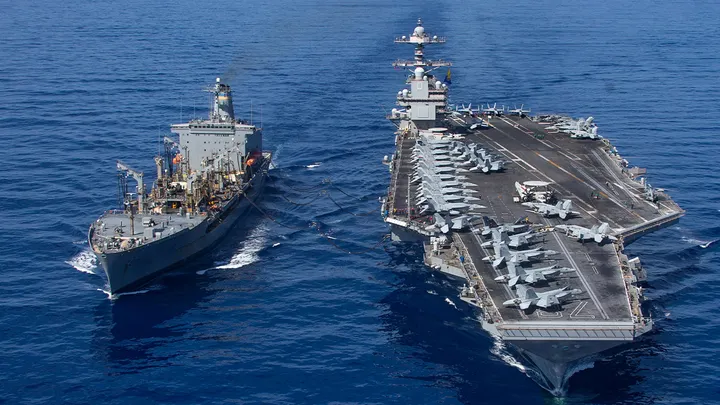
The Pentagon is deploying the USS Gerald R. Ford, creating a rare two-carrier presence in the region as tensions with Iran rise and questions swirl about possible U.S. military action.
The Ford will reinforce the USS Abraham Lincoln already operating in theater, significantly expanding American airpower at a moment of heightened regional uncertainty.
While officials have not announced imminent action, the dual-carrier presence increases the Pentagon’s flexibility — from deterrence patrols to sustained strike operations — should diplomacy falter.
Podcast: Joni Eareckson Tada — Finding Purpose in Paralysis
What This Movement Means
Bringing additional troops and a large carrier into range changes the calculation for regional actors by increasing surveillance, strike options, and logistical reach. It creates more options for commanders on the scene while complicating planning for any adversary considering provocative actions. At the same time, a visible buildup raises the risk of miscalculation if smaller incidents spiral.
A carrier like the Gerald Ford is not just a symbolic asset; it provides a floating airbase with range and persistence that few naval platforms can match. Its entry into the Mediterranean expands operational coverage over maritime chokepoints and adjacent theaters, allowing for rapid air sorties and a sustained presence. That coverage is useful for protecting shipping lanes, supporting reconnaissance, and reassuring allies.
Movements of this kind are often paired with increased patrols, allied exercises, and more robust rules of engagement tailored to the current threat picture. Expect to see coordinated naval and air patrols, as well as logistical elements like supply ships and amphibious units joining the area. These layers create a network of capability rather than a single-point show of force.
What To Watch Next
Look for official statements from defense officials and routine operational releases that will outline purpose and scope, though they will likely avoid tactical specifics. Regional responses matter: diplomatic protests, redeployments by nearby nations, and public statements from political leaders often indicate how seriously the move is being taken. Proxy groups and state actors may adjust posture, test boundaries, or increase messaging campaigns as a result.
Another key sign will be the tempo of air operations and the frequency of close-coalition maneuvers. An uptick in sorties, electronic surveillance, and joint exercises signals a sustained campaign, whereas a quick transit without follow-on activity suggests a temporary repositioning. Either outcome shapes how long forces remain on heightened alert.
Economic and civilian impacts also deserve attention; elevated naval presence can influence shipping insurance rates, reroute commercial traffic, and affect regional trade flows. Ports and maritime insurers monitor these moves closely because perceived risk translates into direct costs for global commerce. Longer deployments have compounding effects beyond the strictly military domain.
Finally, media and social channels will amplify every development, so expect rapid cycles of analysis, speculation, and sometimes misinformation. Independent verification from multiple official sources helps cut through noise, and careful attention to timelines and unit identifications reduces confusion. Responsible reporting and measured commentary matter when tensions are high.
This is a dynamic situation; naval arrivals and carrier movements are tools of statecraft that can deter, reassure, or provoke depending on follow-up actions. The coming days will show whether this is a sustained posture shift or a calibrated demonstration intended to defuse pressure through visible capability. Stay attentive to official updates and avoid amplifying raw, unverified claims. #Iran #Trump #USA