

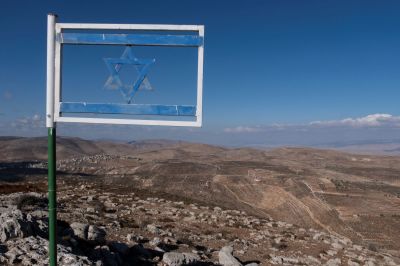
Israel Repeals Antisemitic Apartheid Law In Judea And Samaria
The Israeli Security Cabinet recently moved to annul a long-standing legal bar that prevented Jews from freely buying land in Judea and Samaria, a place many regard as the biblical heartland of the people of Israel. The change removes a provision that, for decades, treated sales to Jews as criminal and, in extreme cases, as a capital offense. For those who believe the Bible anchors nationhood and land, this feels like the restoration of a basic right.
That law originated in 1973 under Jordanian rule as the “Law to Prevent the Sale of Land to the Enemy,” and it hardened penalties against selling land to “foreigners” into something lethal for sellers. The target was clear: Jews who sought to return to sites with deep scriptural meaning like Hebron, Shiloh, and Bethlehem. Repeal turns a 50-year-old prohibition into parity, allowing transactions much like any other within Israel’s administered areas.
This is not a tiny bureaucratic tweak; it confronts a law that functioned as sanctioned discrimination. Critics calling this a move toward “annexation” ignore the moral argument that citizens should be allowed to live and buy where their history and faith tie them. From a biblical perspective, denying return and property because of identity contradicts justice and the restoration themes that echo through Scripture.
Podcast: Is Berberine, “Nature’s Ozempic”?
The Oslo era complicated legal lines, but promises to nullify discriminatory laws were not fully kept, and enforcement often remained harsh on those accused of land sales. Reports over the years suggested sentences and extrajudicial pressures persisted, even when international agreements said otherwise. That reality left many Israelis feeling legal protections were uneven and that Palestinian authorities still wielded lethal deterrents against basic property deals.
The Palestinian Authority called the repeal an “attempt to legalize settlement expansion, land confiscation, and the demolition of Palestinian properties.” Such language mixes alarm and accusation, yet it also implicitly admits the PA lacks the means to prevent its own people from making private decisions under threat. When a government resorts to criminalizing sales rather than protecting citizens’ rights, we see the rot of institutional coercion.
Hamas, despite lacking administrative control in much of the West Bank, urged Palestinians to rise in response with a call for “rebellion across the West Bank and Jerusalem” involving “escalation by all available means of the conflict with the occupation and its settlers, in order to thwart the projects of annexation, Judaziation and displacement.” That militant posture only reinforces why Israel argues for stronger safeguards over territory tied to its national and spiritual story. Violence and incitement show the downside of leaving critical sites in a security and legal vacuum.
Alongside the repeal, Israel moved to declassify land registries, ease transaction rules, and register large state-owned tracts in its name, steps officials say will cut fraud and clarify ownership. Public service oversight, environmental protections, and authority over key historic religious sites were also addressed, aiming to reduce damage and restore stewardship. These are administrative moves cloaked in national and moral language, but they have practical effects on who can build, tend, and claim land.
International response ranged from sharp rebuke to cautious statements that stopped short of direct condemnation, while leaders elsewhere reiterated opposition to formal annexation. “I am against annexation,” said one prominent voice, “We have enough things to think about now. We don’t need to be dealing with the West Bank.” Yet diplomacy and reality often pull in different directions, and Israel appears set on incremental steps that cement control without a headline-grabbing declaration.
Supporters hailed the decisions as long-overdue corrections that close a legal and administrative void, arguing the moves “rectified an injustice of many years, and are entrenching Israeli sovereignty on the ground, de facto.” For people convinced by biblical claims and historical ties, the changes are seen as rightful restoration rather than robbery. Whether the world accepts that moral framing or labels it expansion will shape the next season of politics and prayer.
(function(w,q){w[q]=w[q]||[];w[q].push([“_mgc.load”])})(window,”_mgq”);