

Iran’s Revolution Marked 47 Years: A Biblical Perspective
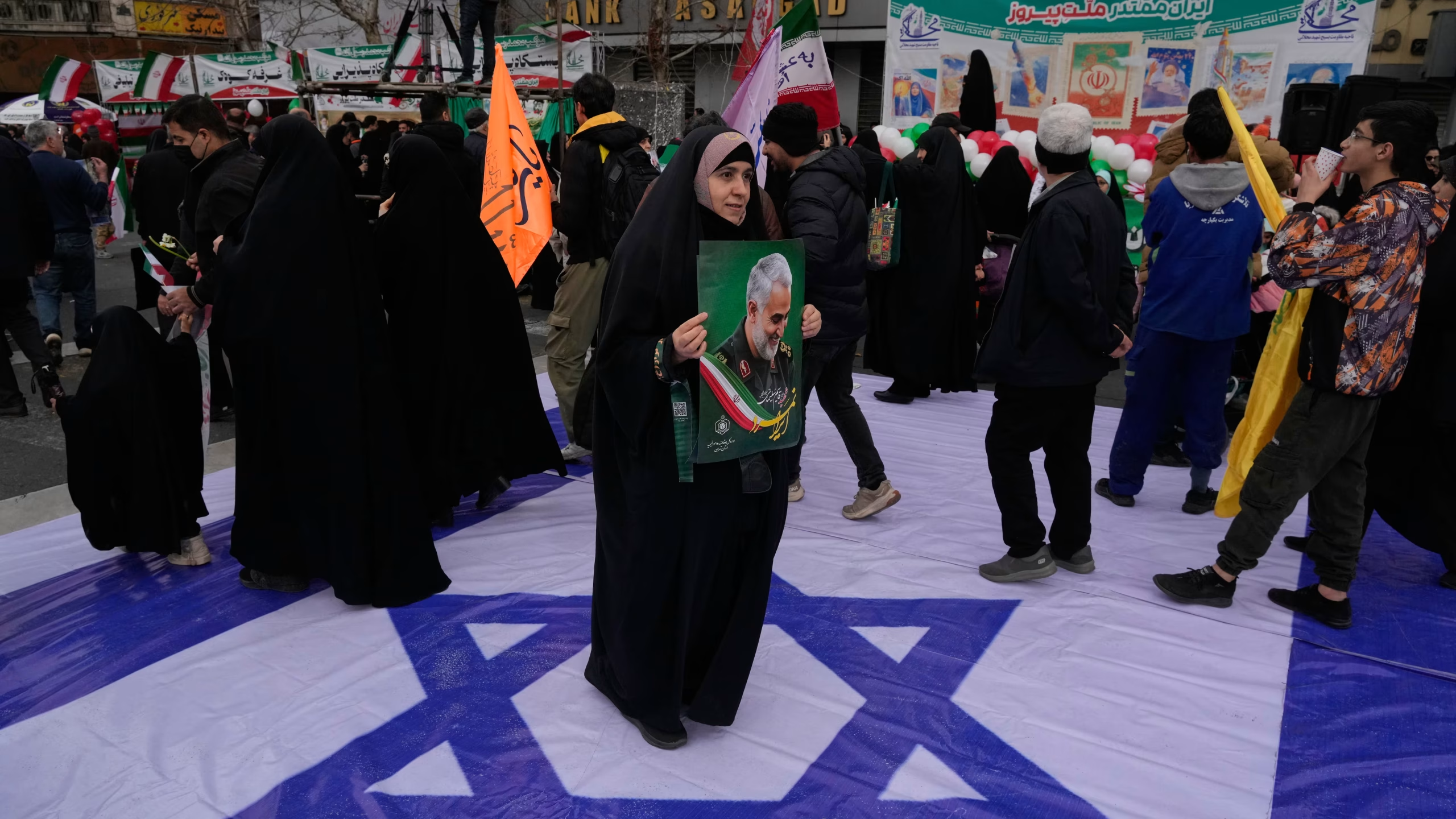
On Wednesday Iran marked the 47th anniversary of the uprising that removed the Shah and lifted Ruhollah Khomeini into power. The world watched history shift from a monarchy to a clerical state, and many are still unpacking the consequences. From a biblical vantage point this moment is not just political change but part of a moral story about power, pride, and the battle for souls.
What The Anniversary Means
Anniversaries are mirrors: they force a nation to look at its past and the path it chose. For Iran the revolution reset institutions and identities, replacing one authority with another and reshaping alliances with neighbors and rivals. Seen through Scripture, every transfer of power carries spiritual weight—leaders and structures either open doors for justice or for oppression.
The event that birthed the Islamic Republic was not simply a regime change; it was a cultural earthquake that reverberates across families, faiths, and borders. Policies born in Tehran have rippled to capitals and living rooms from the Mediterranean to the Gulf. The Bible reminds us that nations rise and fall under God’s watchful eye, and that human rulers answer to a higher Court.
We should also acknowledge human pain tied to revolutionary change: exiles, fractured communities, and dreams deferred. That suffering is real and demands compassion, not geopolitical analysis alone. Scripture calls believers to mourn with those who mourn and to seek justice for the vulnerable regardless of politics.
A Call From Scripture
Biblical language about idols and false gods could speak plainly to the spiritual posture of any regime that elevates power above righteousness. The prophets condemned systems that oppressed the poor, manipulated truth, or worshiped national strength instead of the living God. Speaking from this perspective is not about geopolitics; it is about calling every people to repentance and accountability.
Christians watching these anniversaries should pray for wisdom, mercy, and the spread of truth into closed places. The New Testament urges believers to pray for rulers so that lives may be lived quietly and in godliness, and that the gospel might reach hearts. That prayer is active, not passive: it includes advocating for the oppressed and supporting those who risk much for freedom of conscience.
History shows that revolutions rarely solve the deepest longings of the human heart; only reconciliation with God addresses ultimate restlessness. Even as regimes rotate, the biblical message remains constant: people need grace, justice, and restoration. This kind of healing begins with honest confession, practical care, and persistent witness carried out in courage and humility.
So on this anniversary, believers are invited to watch, pray, and act with clarity. Pray for those inside Iran who quietly pursue truth, for neighbors caught in regional tensions, and for leaders tempted by pride. Act where you can to relieve suffering and speak with love that does not excuse wrongdoing.
Ultimately the date marks more than forty-seven years of rule; it marks a field where spiritual and moral choices are still being made. The Bible calls us to engage those choices with both truth and tenderness. That is the challenge and the calling—for Iranians, for their neighbors, and for anyone who believes that history is watched by a righteous God.