

High School Wrestling Controversy Over Gender And Safety
The office of Pierce County Sheriff Keith Swank and the Puyallup School District confirmed Tuesday they are conducting an investigation into an alleged sexual assault against a female Puyallup high school wrestler.
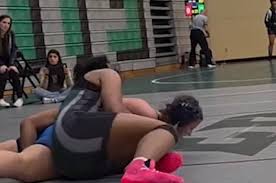
A high school match that was meant to be routine has become a flashpoint in a heated public debate. Kallie Keeler, a girl wrestler, says she was forced to face a male opponent in a girls’ competition and that the experience ended with an assault when she was pinned. The allegation has pushed questions about safety, fairness, and policy into the spotlight.
What Happened
The match in question left the 16-year-old shaken and determined to see answers, according to accounts circulating around the event. She alleges that when the male competitor pinned her to the mat, the contact crossed a line and amounted to sexual assault. That claim transformed a single bout into a community issue that now demands investigation and clarity.
Keeler says the incident happened during a Dec 6, 2025, match in which she was wrestling against a 190-pound transgender wrestler. She did not know he was a biological male at the time.
The alleged victim claims the opponent pressed up inside her with his fingers for several seconds, so she then gave up the match moments later.
According to Kruse, school officials did not report the incident to the Pierce County Sheriff’s office until Jan 30, 2026, nearly two months after it happened.
“This series of events suggests that a number of Rogers High School staff and employees knew about Kallie’s allegation of sexual assault and didn’t do anything with it,” Kruse wrote. “Under Washington State law, mandatory reporters are required to report allegations of sexual assault within 48 hours.”
Coaches, teammates, and parents have reacted with confusion and concern, calling for transparent handling of the complaint. School officials and local authorities have been urged to review the facts, protect student safety, and provide support to anyone harmed. The situation has highlighted how quickly a sports incident can escalate into a broader contest over policy and protection.
Why The Case Matters
This incident sits at the intersection of two contentious conversations: how to include transgender athletes and how to keep women’s sports safe and fair. Different schools and states have wildly different rules about who can compete in gender-designated divisions, and a high-conflict moment like this shows the human consequences of those policy gaps. For many people the case is not abstract policy talk but a real example of what can go wrong when procedures are unclear.
Legal and regulatory frameworks are being watched closely, because decisions here could ripple into athletic programs, school liability, and state law. Advocates for inclusion urge careful, rights-respecting processes that avoid blanket exclusions, while others argue that competitive fairness and physical safety should take priority in contact sports. Policymakers now face pressure to reconcile those competing priorities with concrete, enforceable rules.
Beyond rules, the match raises questions about training, supervision, and match oversight. Coaches and referees have a duty to protect athletes and to recognize when contact moves from competitive to harmful. Athletic programs will feel pressure to tighten protocols, improve supervision, and ensure quick responses when complaints arise.
Voices on both sides are calling for evidence-based solutions rather than reflexive bans or knee-jerk defenses. Some athletes and parents want clearer separation and protections for female competitors, while many advocates caution that exclusionary measures can harm transgender youth. The challenge is to craft policies that respect dignity without sacrificing safety.
What happens next matters for the individuals involved and for the wider sporting community watching closely. A careful, impartial investigation should determine the facts and guide any disciplinary steps. At the same time, schools should offer medical and emotional support to ensure students feel secure returning to campus life and competition.
This episode shows how a single sports match can spark national conversation about identity, rights, and the practicalities of shared spaces. As the story develops, stakeholders will need to balance empathy, evidence, and the realities of contact sports. The outcome could shape how schools across the country handle similar situations in the future.
#womenssports #transathlete #genderidentity #womenswrestling #highschoolsports