

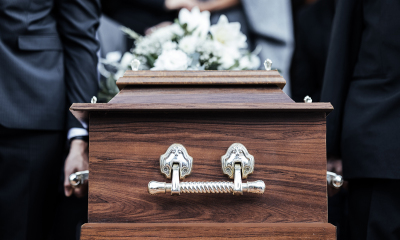
Live Like You Are Going To Die. My Personal Experiences
I woke up to news that knocked the air from my lungs: a faithful pastor, healthy and active at 62, collapsed and was gone within hours. He had preached that evening, comforted grieving families for decades, and now his family was learning what the rest of us already fear. That kind of sudden loss pulls faith out of the abstract and drops it into the rawness of life.
The same week I preached two services and later sat in a funeral for a woman in her mid-40s who lost a ten-month battle with cancer. Two deaths, different rhythms—one swift, one prolonged—both shouting the same truth: death is real and it is universal. These moments reopened a wound I’ve carried since my father-in-law died suddenly while we were on vacation.
We did everything right that day: called 911, did CPR, watched professionals work, and still the outcome was the same. He was 57, a husband and father, gone on the floor of our rental house, and that image is burned into my memory. God used that scorch to sear a question into my heart: how will I live knowing my days are numbered?
“As a father shows compassion to his children, so the Lord shows compassion to those who fear him. For he knows our frame; he remembers that we are dust. As for man, his days are like grass … But the steadfast love of the Lord is from everlasting to everlasting on those who fear him” (Psalm 103:13–17).
The Bible names our frailty plainly and doesn’t hand us platitudes to hide behind. That clarity is meant to sharpen, not to crush: honesty about death is meant to cultivate wisdom. When Scripture calls us to sober reflection it isn’t morbid, it’s practical for discipleship.
We often know death intellectually but refuse to live like it matters; we procrastinate our repentance, delay hard conversations, and settle for comfort. As Christians, we should face death soberly because we stand on promises that change urgency into purpose. The knowledge of mortality should drive holy courage, not despair.
“Teach us to number our days carefully so that we may develop wisdom in our hearts” (Psalm 90:12). Moses asks for a perspective that makes days count, not years that let us put off what matters. This kind of prayer rewires priorities and makes the trivial fall away.
“Remembering that I’ll be dead soon is the most important tool I’ve ever encountered to help me make the big choices in life … Almost everything — all external expectations, all pride, all fear of embarrassment or failure — these things just fall away in the face of death, leaving only what is truly important