

University Of Arkansas Professor Demotion Sparks Academic Freedom Debate
The University of Arkansas removed a faculty member from her role as director of the King Fahd Center for Middle East Studies, and the move has prompted a wider discussion about academic freedom on campus. The professor at the center of the decision is seeking a formal hearing to challenge the demotion. University officials cite concerns about social media posts, while critics warn about the chilling effect on faculty speech.

What Happened
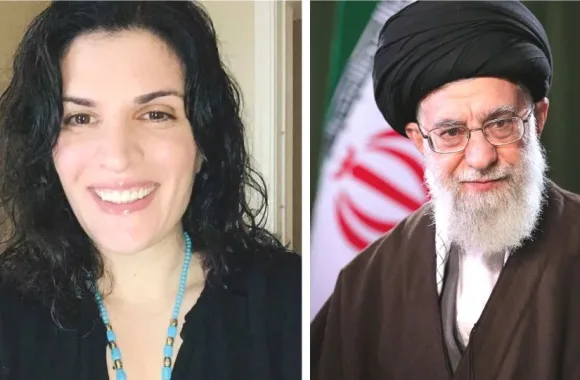
According to university notices, the removal followed posts in which the professor praised Ayatollah Khomeini and reportedly called for the destruction of Israel. Those public statements prompted an internal review of her leadership role at the Middle East studies center. The professor has responded by demanding due process and a chance to present her case at a hearing.
The dispute raises questions about the boundary between personal expression and institutional responsibilities. Directors of academic centers are often seen as public representatives of their units, and universities say that role carries expectations for conduct that align with institutional values. Advocates for the professor argue that academic roles should protect robust, even controversial, speech so long as it does not cross legal or safety lines.
Members of the campus community are split, with some faculty and students supporting the demotion as necessary for maintaining a safe, inclusive environment. Others worry that punitive action over political or religious viewpoints undermines tenure protections and academic inquiry. The tension highlights how universities struggle to balance free expression with community standards and external pressures.
Why It Matters
Cases like this one ripple beyond a single campus because they touch on how public institutions define acceptable speech by employees. If universities discipline scholars for controversial posts, critics fear a slippery slope where scholarship and teaching are chilled by fear of administrative sanction. Supporters of discipline counter that academic leaders must uphold institutional mission and prevent rhetoric that could foment harm.
Legal scholars note that the specifics matter: whether statements were made in a personal capacity, whether they constitute protected academic speech, and whether they threaten violence or target protected groups. Those distinctions shape both public perception and potential legal outcomes. The professor’s request for a hearing suggests the matter may be litigated or at least adjudicated within university procedures.
Observers also point out the reputational stakes for a university that hosts a center focused on an often-polarized region. Donors, partner institutions, and prospective students watch how leadership controversies are handled. Administrators must weigh external relationships while navigating internal commitments to scholarship and free inquiry.
Campus organizations are mobilizing on both sides: some demand stronger condemnation of rhetoric they consider dangerous, while others call for clearer protections for academic speech and procedural fairness. The debate has prompted calls for clearer policies about public statements by center directors and for transparent processes when controversies arise. Universities facing similar disputes may look to this case for precedent.
The professor’s insistence on a hearing suggests the conflict will not end quickly. Whatever the outcome, the episode serves as a reminder that academic freedom, institutional values, and public accountability can collide in volatile ways. How the University of Arkansas resolves this will likely inform discussions about faculty speech and leadership roles at other institutions.
At its core, the situation asks whether universities can maintain open inquiry while protecting their communities from speech perceived as incitement or harm. Finding a principled path will require clear policies, consistent application, and respect for due process. For now, the campus and its observers await the hearing and whatever follow-up actions may shape the center’s future.