

Mexican Cartel Kingpin El Mencho Terrorized Church Leaders
The killing of Rubén Nemesio Oseguera Cervantes, known as “El Mencho,” exposed a brutal reality: organized crime has turned faith into a target across large parts of Mexico. Pastors and priests have been shaken by threats, extortion and violence that forced dozens of congregations to choose between worship and safety. This is not just a security crisis, it is a moral and spiritual emergency for communities that look to the church for refuge.
What Happened
Military operations against the Jalisco New Generation Cartel left a trail of blood and disruption, with dozens of cartel members killed and many arrested, while security forces also suffered heavy losses. The cartel’s reach extends into everyday commerce and rural life, from drug trafficking to extorting growers and business owners. In practice, that reach has meant threats and “rent fees” imposed on churches and ministries trying simply to serve their neighbors.
Evangelical pastors describe receiving chilling phone calls demanding money and obedience, and in many cases they kept silent rather than expose their families to retaliation. One recorded extortion message read exactly: “I’m calling on behalf of the boss. We know where you live, the address of the church, and what your family does, pastor, so you have to pay your dues to the cartel’s plaza boss. If you don’t want things to go badly for you, cooperate.” Those words have closed doors and emptied sanctuaries.
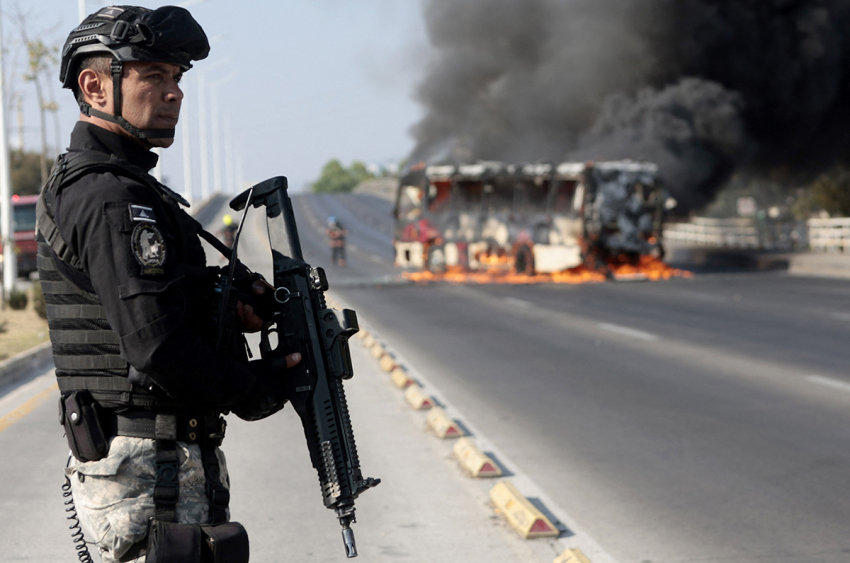
In several states cartels staged mass blockades, burned vehicles and attacked businesses in reprisal for arrests, creating a climate where schools and transport shut down for safety. The result is fractured communities and displaced families who once relied on the local church for help, guidance and hope. When worship becomes a risk, the social fabric that churches hold together begins to unravel.
Faith Under Fire
Pastors in places like Chiapas report being forced to suspend services or reduce schedules because evening worship is simply too dangerous. In 2024 more than 100 evangelical congregations closed in one state alone, victims of ongoing harassment and fear. Many leaders choose to flee, hide or pay, and those choices leave wounds that last for generations.
Violence has not spared Catholic communities either, and entire groups of faithful have been kidnapped, killed or driven from their land for refusing to submit to criminal groups. Local leaders report dispossession, disappearances and murders with little effective response from authorities, leaving survivors to plead for justice. As one complainant said, “What hurts us the most is not just the beating, it’s the impunity.”
Religious leaders who defend human rights or speak out about insecurity are especially at risk because they are seen as threatening the status quo that criminal bands depend on. Data shows a devastating impunity rate for murders of clergy, and families are left asking why the law does not protect them. The silence of institutions often forces congregations into survival mode instead of ministry mode.
Communities affected by this violence deserve more than sympathy; they need truth, accountability and restoration. The biblical call is clear: defend the oppressed, seek justice and care for the widow and the fatherless, while trusting God for protection and provision. Christians on the ground are already praying, serving and advocating, and they ask for the wider church to stand with them in prayer and action.
Now is the time for leaders to pray boldly, report crimes when it is safe to do so, and press authorities to act without favoritism. The people who gather in those shuttered sanctuaries represent real families, real grief and real hope; they need justice that looks like restoration, not silence. Faith will survive persecution when the church refuses to be intimidated and rallies the larger body to defend the vulnerable.
Those who love the gospel must also love the truth: religious freedom is fragile where lawlessness rules, and the church must be both a voice for the weak and a refuge for the broken. That is a call the global church cannot ignore, lest entire regions be emptied of worship and replaced by fear.