

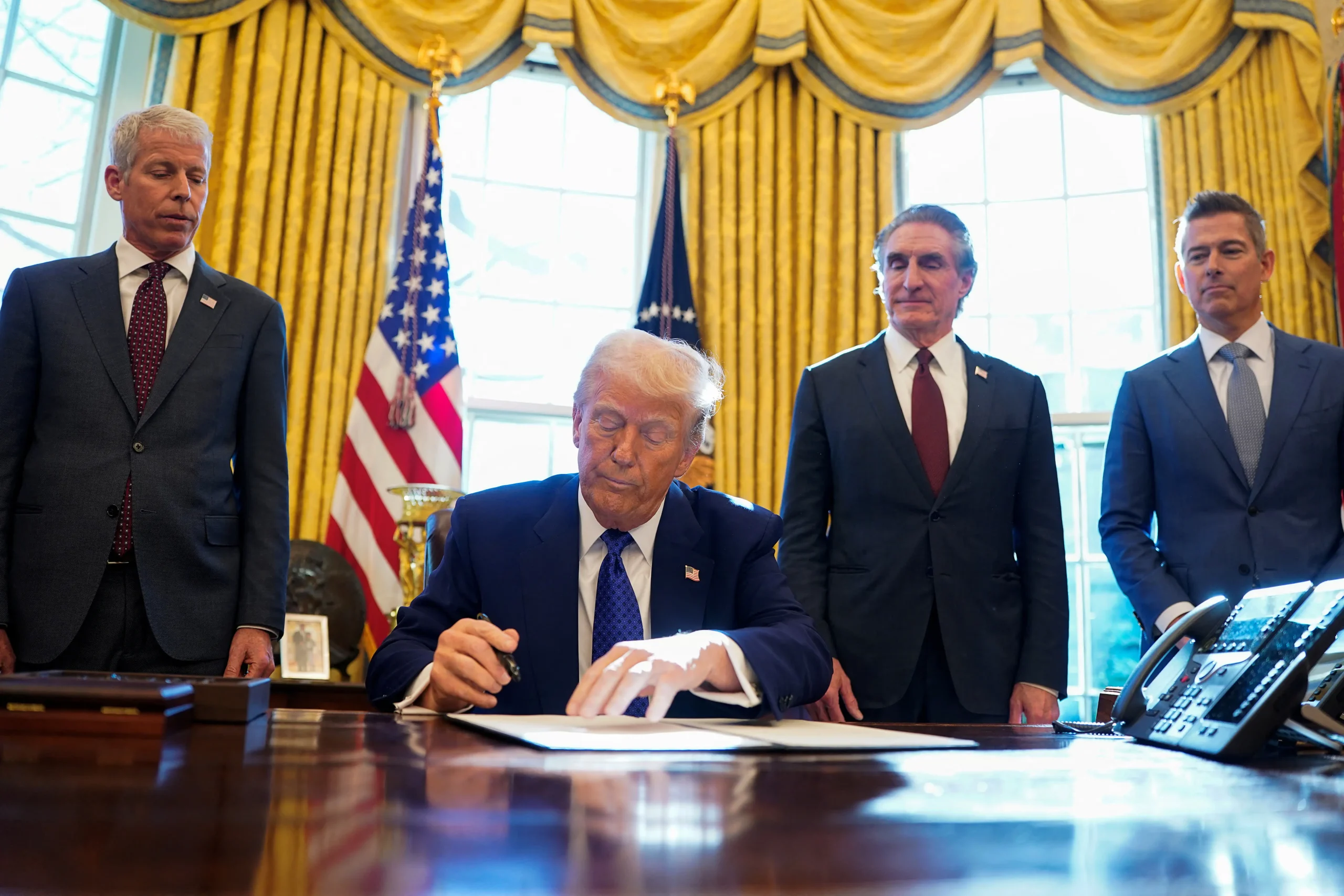
Trump’s Week In Policy Highlights
President Donald Trump spent the week juggling a mix of domestic and international priorities that touched trade, immigration and environmental rules. The moves were a blend of announcements, executive actions and political signaling aimed at different audiences. This article breaks down the main strands without the noise.
Policy Highlights
On trade, the administration pursued new conversations with foreign partners and policymakers, signaling an appetite for deals that favor domestic manufacturing. Some outreach included countries in South Asia and emerging markets, where trade terms and supply chains remain a priority. Those talks are meant to reshape how goods move and which sectors get protection.
Immigration enforcement remained high on the agenda, with officials emphasizing tougher implementation and priority removals. The rhetoric paired a focus on border security with renewed attention to internal enforcement mechanisms, including detention and deportation priorities. That posture aims to show voters a strict approach while legal and logistical hurdles continue to play out.
ICE and related agencies drew public attention through stepped up operations and clarifying memos about enforcement tiers. Those documents and moves try to balance resource limits with political expectations, and they often spark rapid local pushback from cities and advocacy groups. Expect litigation and local policy clashes to follow.
Voter ID and election integrity themes resurfaced in several statements this week, framed as efforts to secure public confidence in elections. Proposals and talking points focused on verifying identity while opponents warned about potential voter suppression. The debate is likely to stay heated as states weigh legislative and administrative options.
Environmentally, the administration advanced changes to regulations tied to emissions and industry reporting, arguing that revisions ease burdens on businesses. Critics said the direction weakens protections for air and water and slows progress on reducing greenhouse gases. Agencies will now face state pushback, courtroom challenges and scrutiny over enforcement priorities.
Economic messaging tied these threads together, with leaders pitching a narrative that deregulation plus tougher trade stances equals job growth. Analysts point out the outcomes depend on how changes are implemented and how markets and courts react. The short term may show headline wins while the long-term effects take shape slowly.
What Comes Next
Expect legislative skirmishes as Congress reacts to these policy shifts, with some lawmakers pushing back and others offering support. Committee hearings, budget riders and targeted legislation could reshape or slow parts of the agenda. The calendar and election math will constrain which bills can move forward.
Court battles are almost certain on both immigration and environmental fronts, and legal rulings will influence how aggressively agencies act. Federal judges have already altered parts of past directives, and the same is likely this term. Administrations can pivot, but court precedents matter.
States and cities will be important battlegrounds, especially where practical enforcement and local protections collide. Expect more sanctuary policies, state-level environmental rules and independent election measures to crop up in response. That patchwork will create varying experiences for residents across the country.
On the diplomatic side, trade talks will translate into sector-specific agreements or targeted tariffs rather than sweeping pacts right away. Industries tied to supply chains and manufacturing will watch closely for incentives and restrictions that could affect costs. Companies will likely adjust sourcing and investment plans based on signals from negotiators.
In short, the week was heavy on policy signaling and administrative tweaks rather than sweeping legislative triumphs. The next phase will test whether rhetoric turns into durable rules or whether courts and local actors blunt the agenda. Either way, these moves set the stage for a high-stakes policy season.