

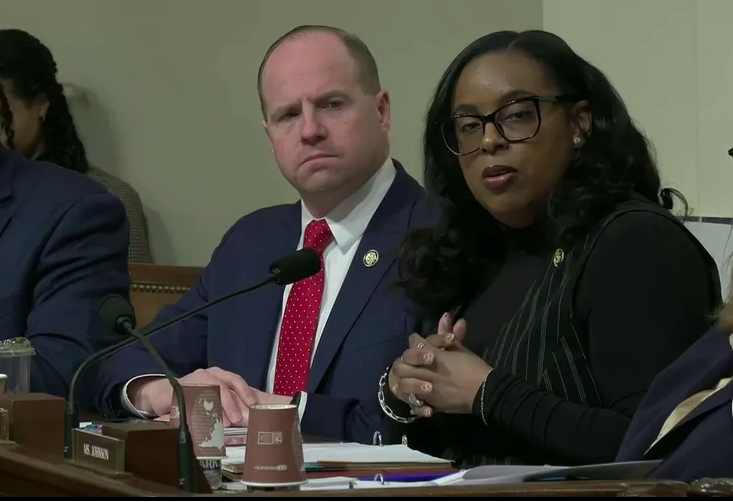
Rep. LaMonica McIver Challenges Ice Acting Director Over Faith And Accountability
In a contentious House Homeland Security Committee hearing on February 10, 2026, U.S. Representative LaMonica McIver (D-NJ) confronted acting Immigration and Customs Enforcement (ICE) Director Todd Lyons over immigration enforcement tactics, questioning his faith and the moral accountability of the agency. The exchange was driven by recent, highly controversial enforcement actions, including deaths in Minneapolis involving federal agents.
The hearing took place amid ongoing debates over border policy, enforcement tactics, and humanitarian treatment of migrants. Lawmakers on both sides are increasingly using moral language to frame policy disputes, turning routine oversight into headline-making confrontations. That rhetorical shift turned what might have been a procedural grilling into a moral showdown.
During the back-and-forth, McIver asked Lyons whether he expected to face spiritual consequences for his agency’s actions, directly asking if he anticipated damnation for having “blood on [his] hands.” The phrasing jolted the room and forced attendees to reckon with questions that blend religion, politics, and public administration. The loaded language ensured the moment would be replayed and debated beyond the hearing room.
Observers described the tone as confrontational and deeply personal, and reactions were immediate. Supporters of McIver praised her for calling attention to what they see as accountability gaps in enforcement. Critics argued the line crossed into ad hominem territory and threatened to erode the decorum expected in congressional oversight.
Todd Lyons, as ICE’s acting director, carries the job of defending agency policy while navigating legal and political scrutiny. Lyons pushed back by emphasizing the agency’s duty to enforce current law and its commitment to operational integrity. He framed ICE’s actions as part of a legal framework rather than a moral free-for-all.
That distinction—law versus morality—became the heart of the exchange and the public debate that followed. For many advocates and critics, the law’s letter does not fully answer moral questions raised by detention practices, deportation priorities, or conditions in facilities. The hearing underscored how enforcement decisions can quickly migrate from legal technicalities to moral flashpoints.
Legal And Political Stakes
At stake are not just immediate personnel disputes but broader questions about oversight, transparency, and policy direction. Congressional hearings are designed to hold agencies accountable, but they also serve as arenas where political narratives are forged and tested. Each pointed question and each defensive answer feeds those larger narratives.
Beyond rhetoric, there are tangible implications for policy and public opinion. Strong verbal confrontations can push lawmakers to draft new restrictions, fund oversight mechanisms, or call for internal reviews. They can also harden positions, making compromise harder and escalating partisan divides.
Meanwhile, public faith communities and advocacy groups are watching closely and often weigh in, framing the debate with ethical language of their own. That amplification turns a hearing-room moment into a broader societal conversation about values and governance. The intersection of religion, law, and policy complicates efforts to find common ground.
What Comes Next
Expect calls for follow-up hearings, written questions, and perhaps additional briefings as lawmakers seek clarity on specifics. The incident will likely be cited by both critics and defenders of current immigration enforcement as they jockey for public opinion and legislative leverage. Whatever the next procedural steps, the episode has already shifted the rhetorical battlefield.
The exchange is a reminder that oversight rarely stays technical for long when it touches raw public concerns. Whether it changes policy or merely inflames debate depends on how lawmakers translate outrage into concrete legislative or oversight action. For now, the spotlight is on Lyons, McIver, and the question of how moral language shapes the future of immigration enforcement.