

Notre Dame Faces Moral Question After Controversial Appointment
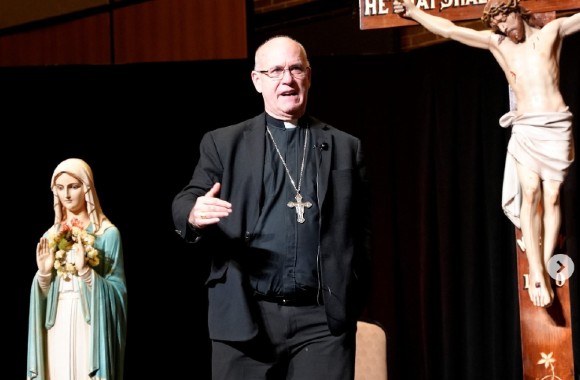
The University of Notre Dame still has “time to make things right” when it comes to a recent leadership choice that has shocked many who care about the school’s Catholic identity. Bishop Kevin Rhoades, who leads the Diocese of Fort Wayne-South Bend and shepherds the region that includes the university, has spoken up with blunt concern. His voice brings a reminder that institutions tied to the Church answer to a higher moral standard.
The controversy centers on the appointment of a scholar who publicly supports abortion rights to a prominent role leading a campus think tank. That decision has been framed by some as academic freedom, and by others as a betrayal of the university’s mission. The clash is now public, raw, and forcing a reckoning over what Notre Dame stands for.
College campuses are supposed to be places of rigorous thought, but when core moral commitments are sidelined the result is confusion and scandal. Catholic universities carry a promise to form minds and hearts in truth, not to neutralize fundamental doctrine. When a school that claims Catholic identity makes choices that contradict that identity, trust frays fast.
Bishop’s Rebuke And Moral Clarity
Bishop Rhoades did not mince words: he called attention to the problem and urged correction rather than quiet acceptance. His stance is pastoral as much as institutional—he wants the university to live up to its name and mission. This is not merely a policy dispute; it is a call to moral clarity from a shepherd concerned for souls and reputation alike.
From a biblical viewpoint the matter is straightforward: institutions rooted in faith must reflect that faith in hiring, teaching, and witness. Scripture speaks often about leaders being examples and about the community protecting the vulnerable, so allowing a leader whose views oppose the protection of life sends the wrong signal. The faithful expect their colleges to form consciences, not to normalize positions that deny basic moral truths.
What Should Happen Next
There are practical steps that can restore credibility: honest review of the appointment, public engagement with diocesan leadership, and clear policies tying key roles to fidelity with Catholic teaching. Dialogue is vital, but it cannot simply paper over the disagreement; transparency and concrete commitments are needed. If Notre Dame chooses to correct course, it will show that Catholic institutions can hold themselves accountable.
Leadership must balance academic inquiry with institutional integrity, and that balance tilts toward fidelity when the core identity of the school is at stake. Accountability does not mean silencing dissent; it means ensuring those who represent the university at the highest levels embody its mission. Conscience protections for faculty are important, but so is the integrity of offices meant to promote the Catholic tradition.
Students, alumni, clergy, and donors all have roles to play: pray, speak up, and expect the university to honor its promises. A sleeping Catholic identity does no one any favors, and silence in the face of clear contradiction breeds cynicism. If Notre Dame responds with humility and repentance, it can repair trust and model how a faith-rooted institution corrects itself.
The bishop’s intervention is a clarion call to remember what a Catholic university is for—formation of whole persons in truth and charity. There remains, as he said, “time to make things right,” and that window should be treated as a sacred opportunity. How Notre Dame answers will tell us whether its name will continue to mean what it has always promised.