

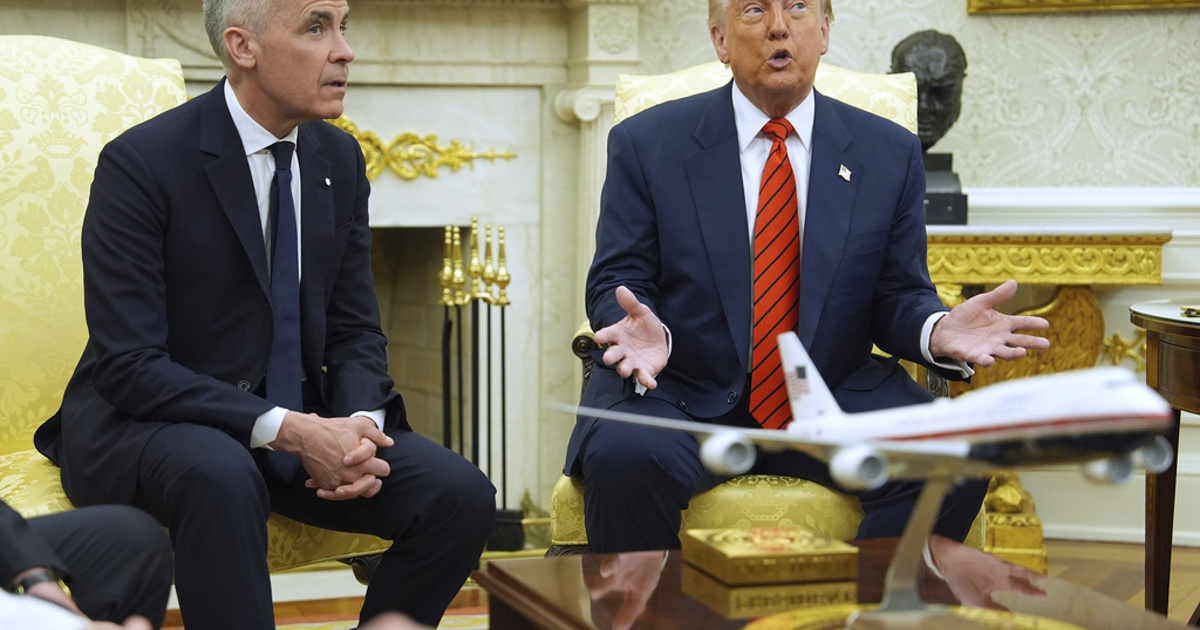
Trump’s Leverage Over Canada: Practical Reality
Talk about leverage sounds like pundit theater until you look at defense links and supply chains. The United States and Canada share long, integrated military and economic ties that create concrete points of influence. That closeness gives Washington tools that any president can use to press a neighbor on policy.
North American defense is not just political rhetoric, it is built into systems like NORAD and shared intelligence networks. Those platforms mean both countries rely on one another for early warning, airspace control, and secure communications. When one partner holds the keys to critical nodes, bargaining power follows naturally.

Where Leverage Comes From
First, geography is blunt force leverage. Canada sits directly across the longest undefended border in the world, and the U.S. controls most access points and much of the maritime approach for trade and military logistics. Second, defense manufacturing and procurement are lopsided; the United States supplies major hardware and technology that Canada either cannot produce domestically or buys in large part from U.S. firms.
Third, trade and economic interdependence are part of the picture. Tariffs, export controls, and sanctions are tools Washington has used globally, and proximity means any economic nudge to Canada has rapid, visible consequences. Practical pressure can come in routine bureaucratic actions that delay critical parts, restrict technology transfers, or complicate licensing for defense cooperation.
Fourth, alliance politics and NATO obligations create reputational leverage. The U.S. chairs key alliance structures and can influence collective priorities, funding, and posture. If Washington signals displeasure, it can shape the international environment in ways that make life harder for a government trying to push a different strategic agenda.
Political theater also matters. A president who publicly criticizes a partner can mobilize domestic constituencies and complicate a foreign leader’s standing at home. For a prime minister described by some as leaning far left, optics about being tough on security could shift public debate and pressure policy reversals or concessions.
What Could Change
Canada is not defenseless against leverage. Ottawa can invest in domestic capability, diversify its supply chains, and build deeper partnerships with other allies to blunt unilateral pressure. Those steps take time and money, but they reduce single-point vulnerabilities that invite leverage.
Diplomacy remains the fastest lever for turning friction into constructive outcomes. Quiet channels, backroom bargaining, and reciprocal concessions often resolve disputes more effectively than public grandstanding. Both sides have incentives to keep cooperation going because the costs of a breakdown would be immediate and real.
Finally, leverage is not the same as destiny. Even if Washington holds short-term advantages, long-term influence depends on credibility, consistency, and mutual interest. If pressure is overused, it can erode trust and push a partner to seek alternatives, which ultimately weakens the influencer’s position.
So while an analyst is right to note the U.S. has significant leverage over Canada today, that leverage is a tool not an outcome. How it is used will determine whether it resolves policy differences or damages a crucial relationship that both countries need to keep secure and prosperous.